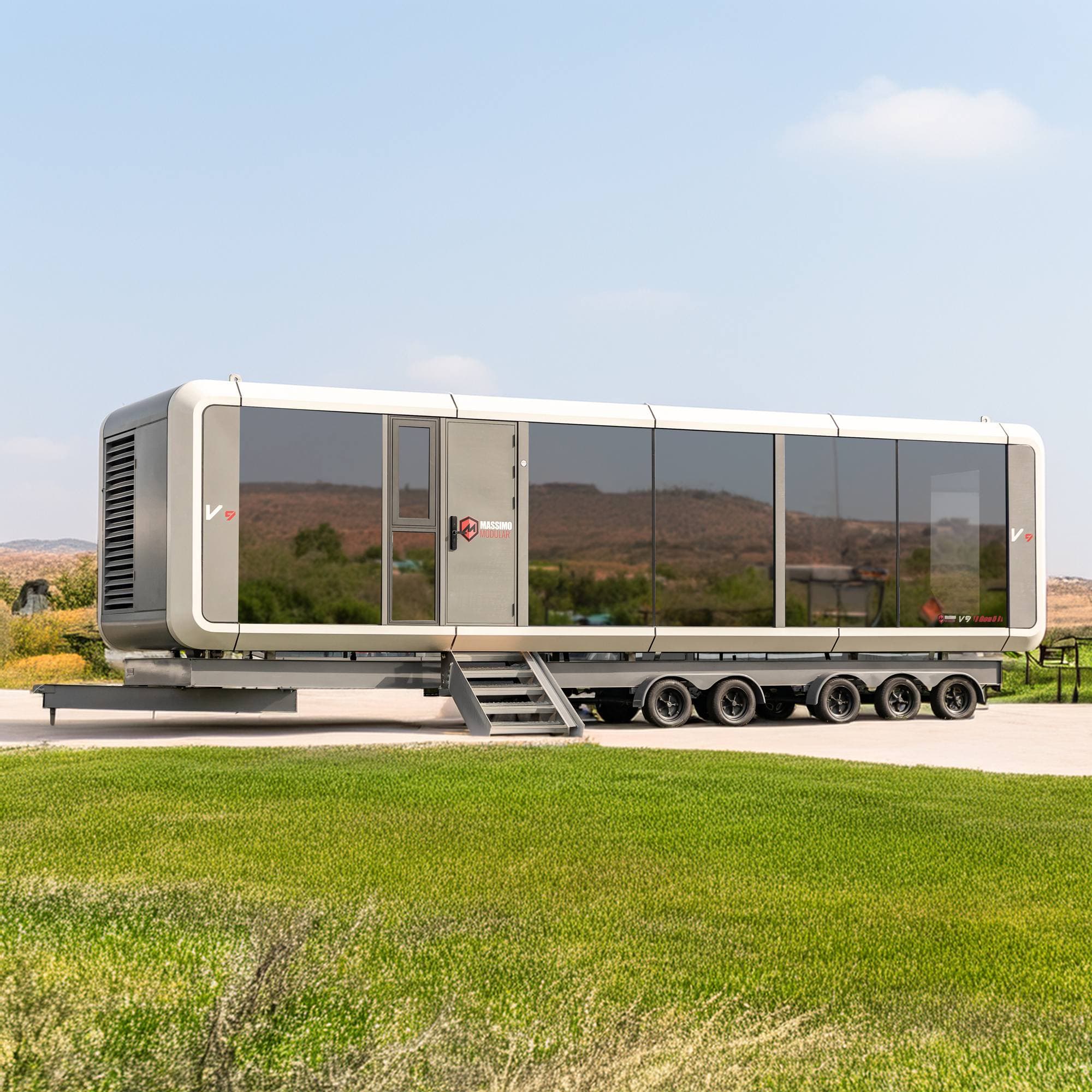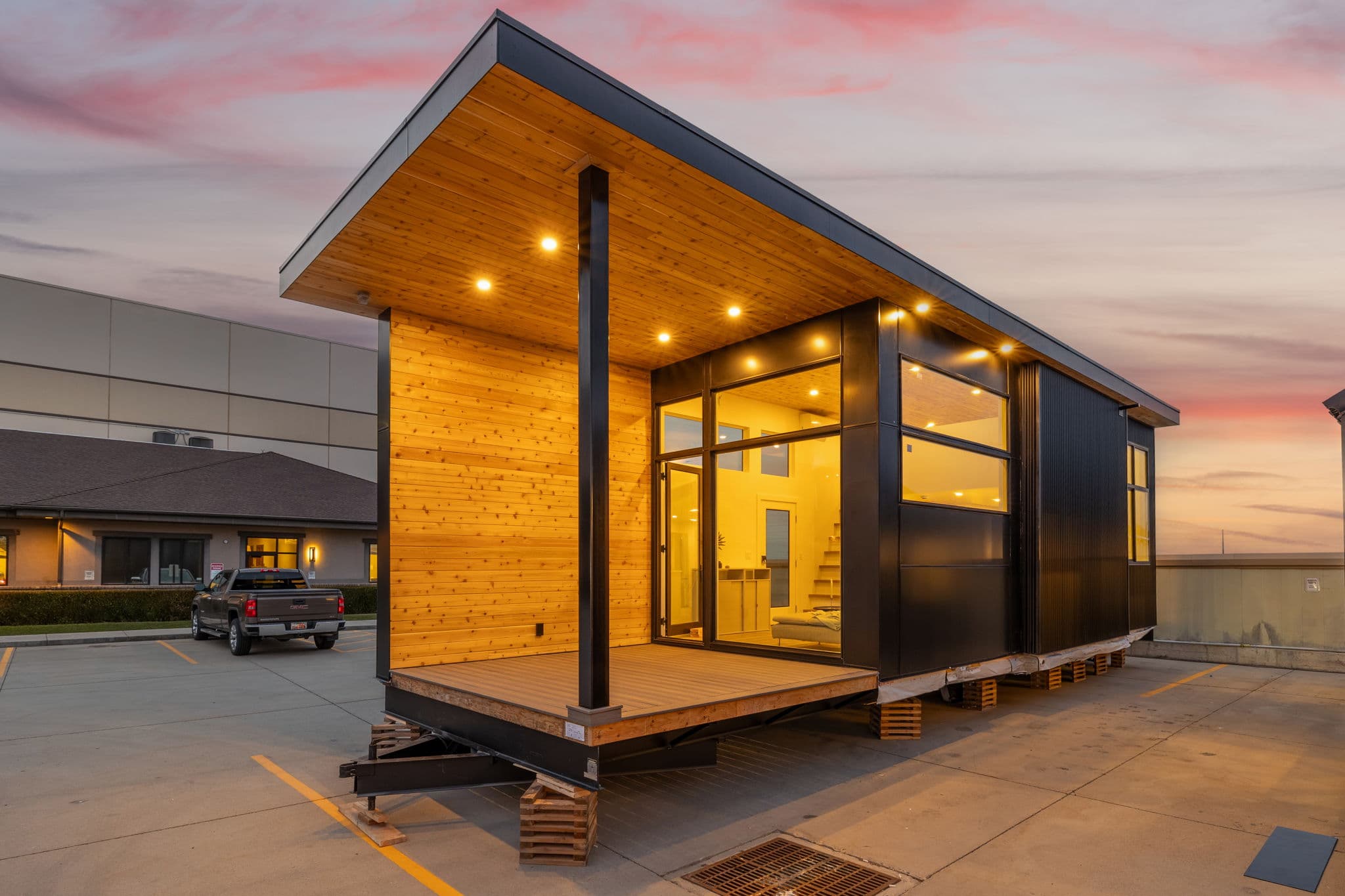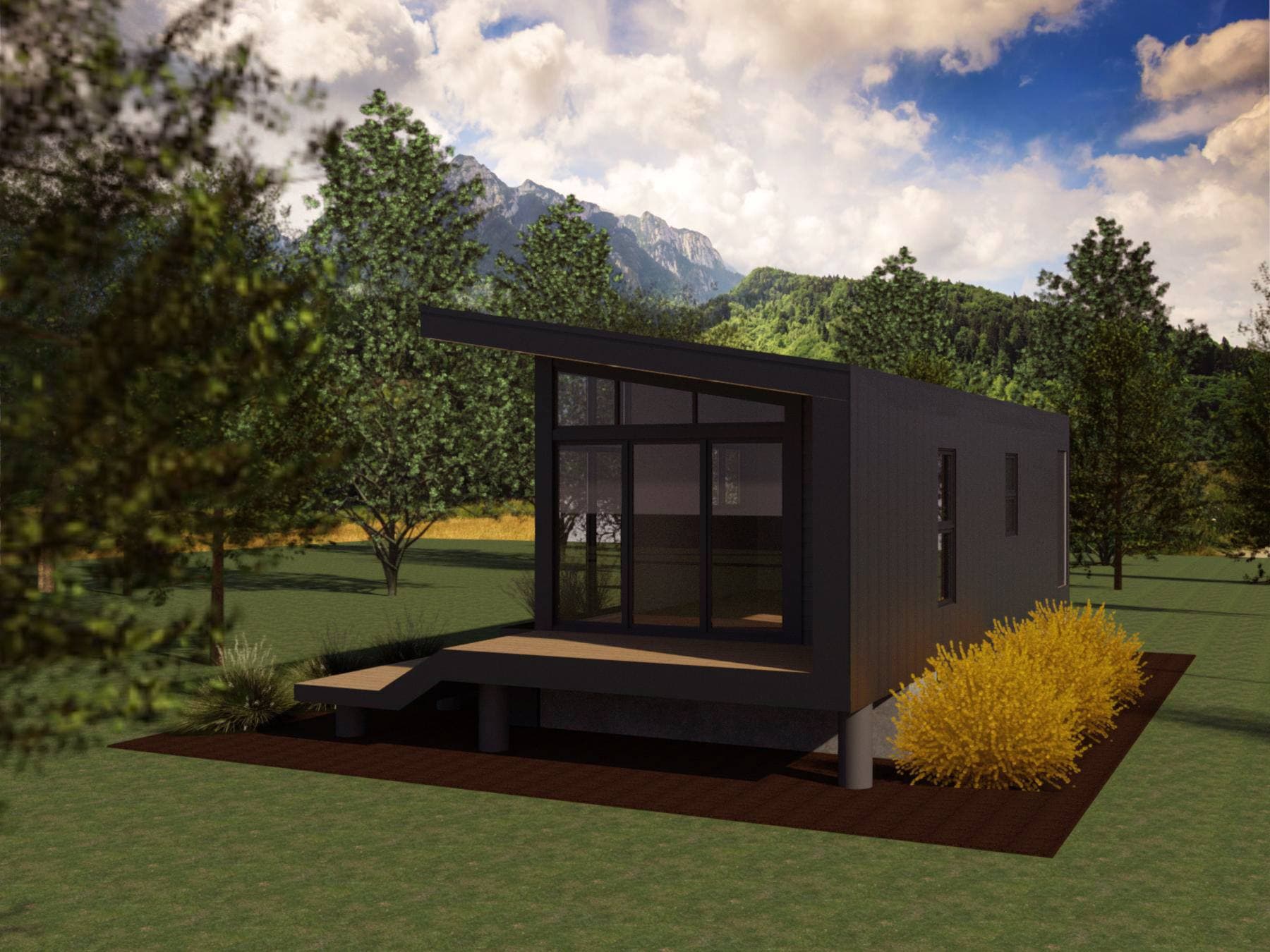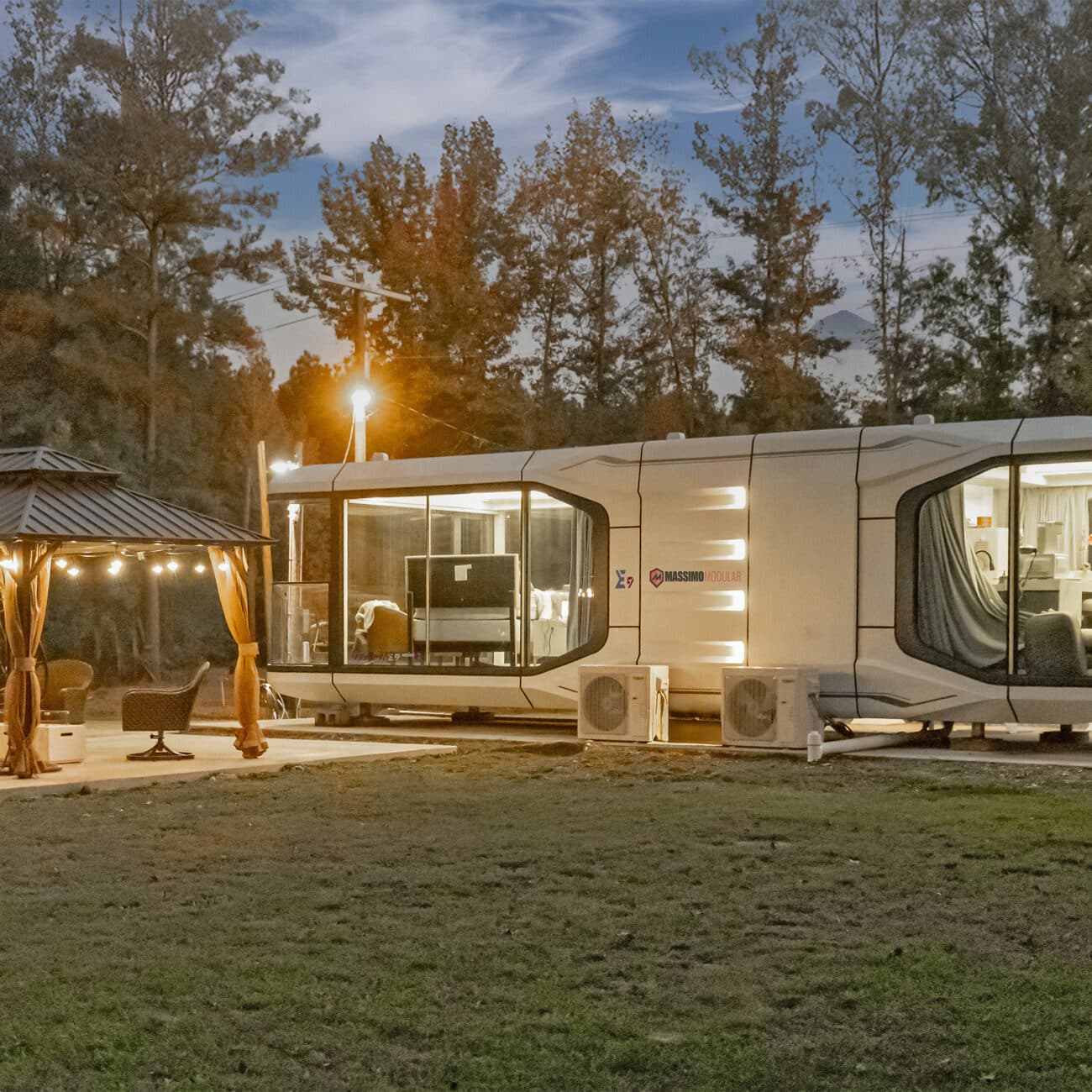
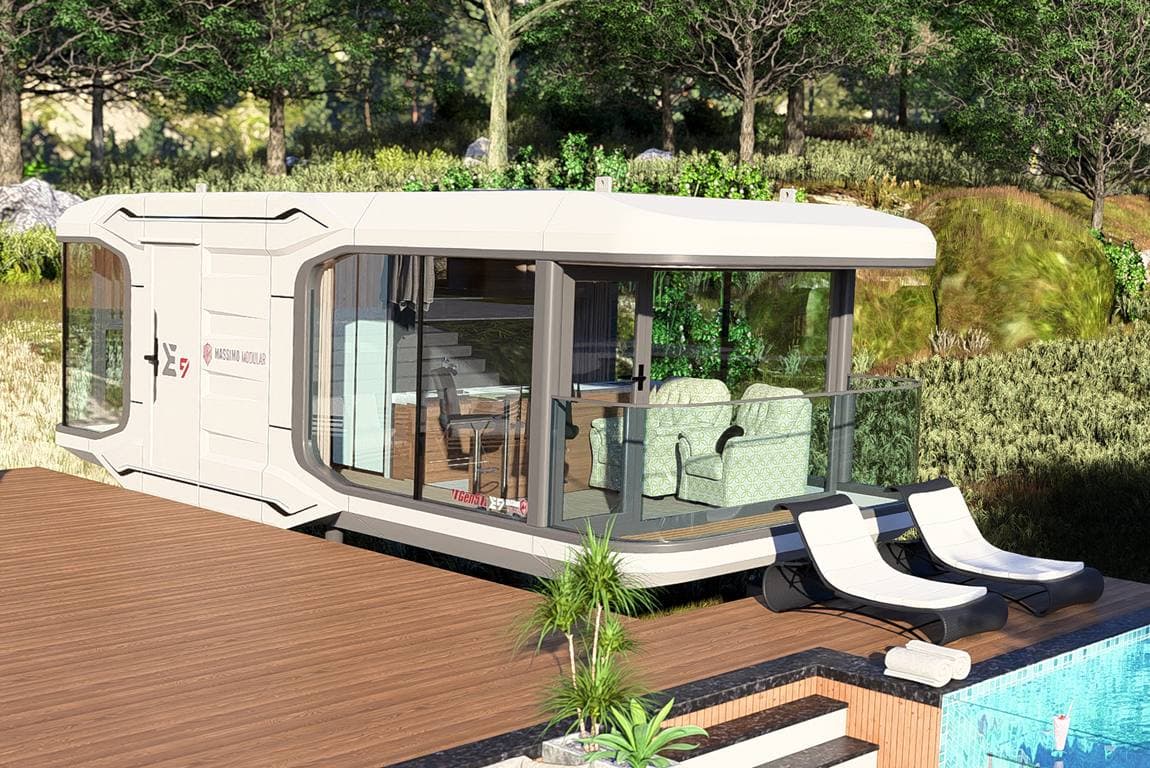
Factory-built has an image problem it doesn't deserve. Here's what building indoors actually does to quality.
Say 'factory-built home' and a lot of people picture a flimsy trailer. That picture is decades out of date — and it confuses a construction method with a quality level. Modular done right is often better than site-built, not worse.
Built to code, indoors
Modular homes are built to the same residential codes as a site-built house — then assembled in a controlled factory where materials never sit in the rain and tolerances are measured by machine, not eyeballed on a windy job site.
Engineered to endure
- Structures engineered to survive transport — and therefore everyday life.
- Tight, consistent envelopes for efficiency and comfort.
- Service lives rated for decades, not years.
- Smart systems and finishes that rival custom builds.
The real difference
Building indoors removes weather, theft and scheduling chaos from the equation, which is why factory homes go up faster and more consistently. The quality question isn't 'modular vs. site-built' — it's 'who built it, to what standard.'
Last updated June 3, 2026