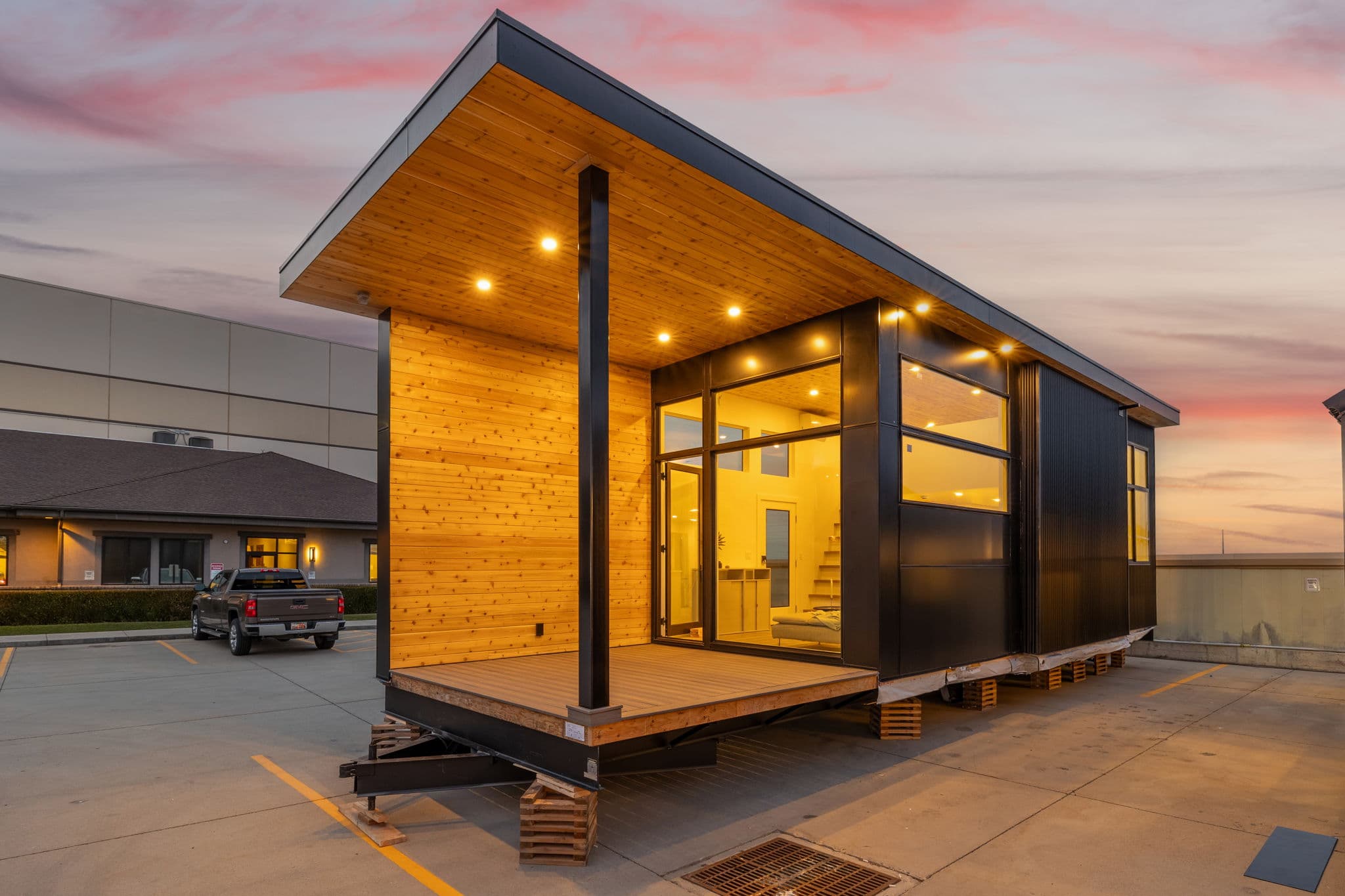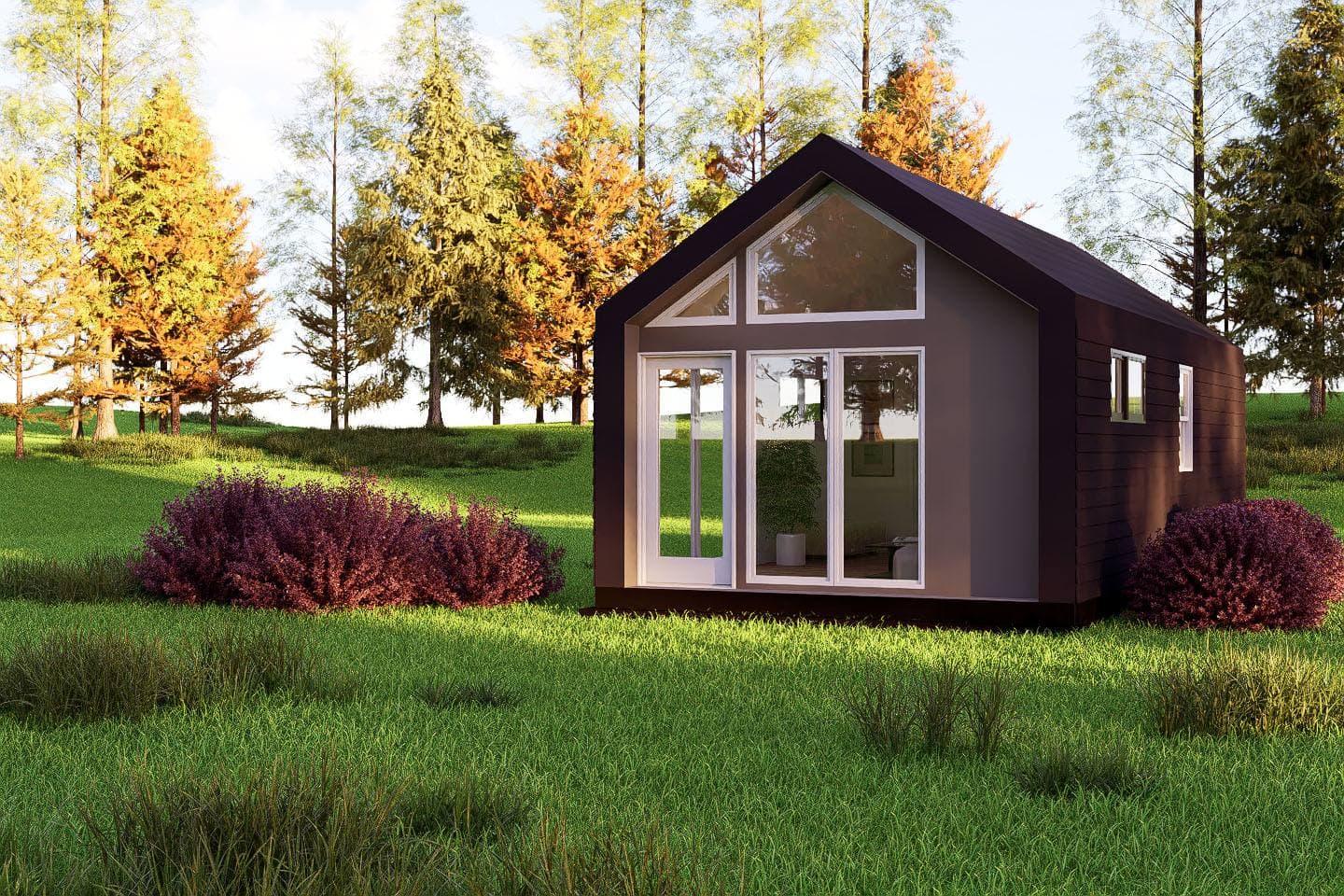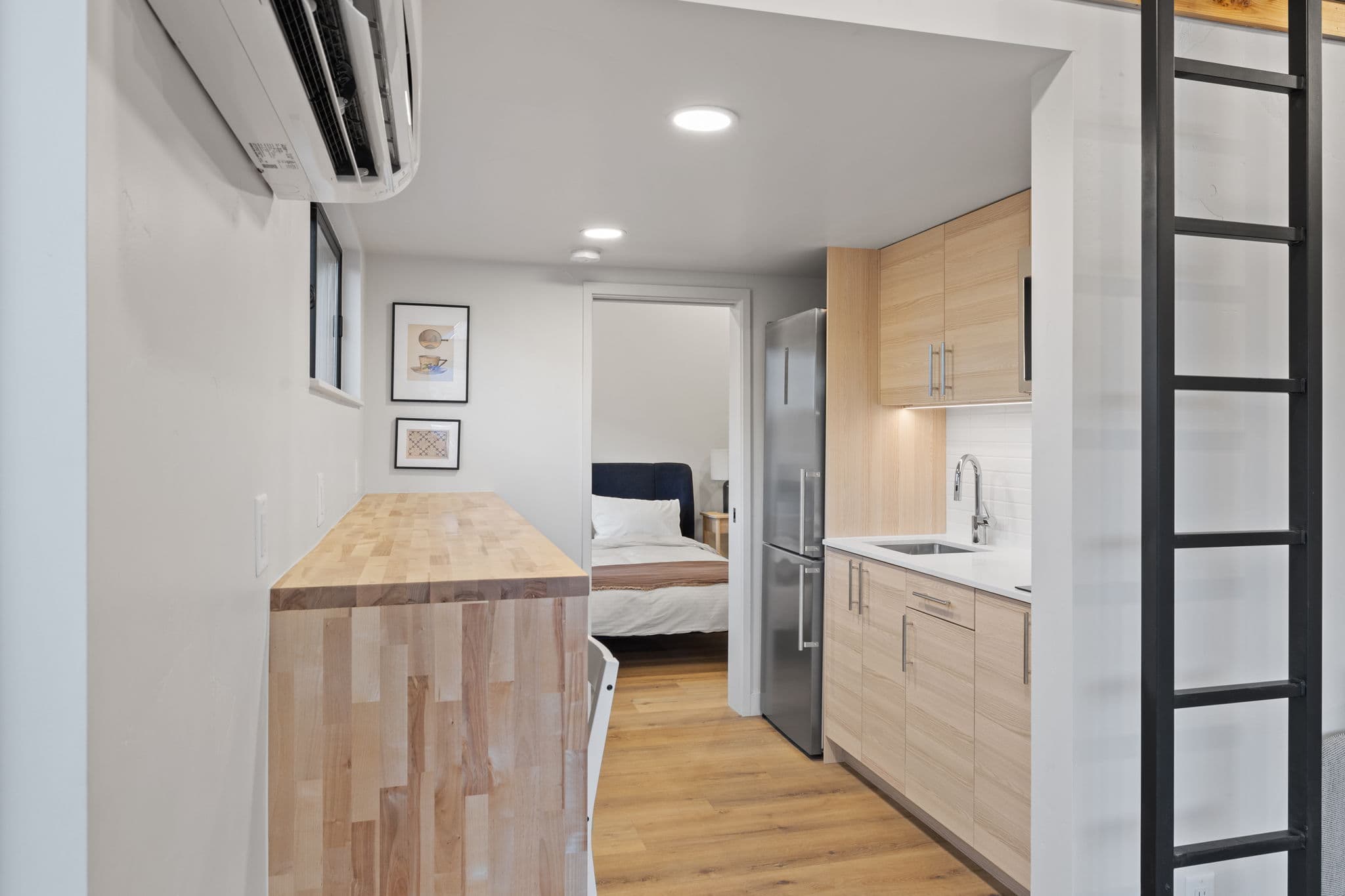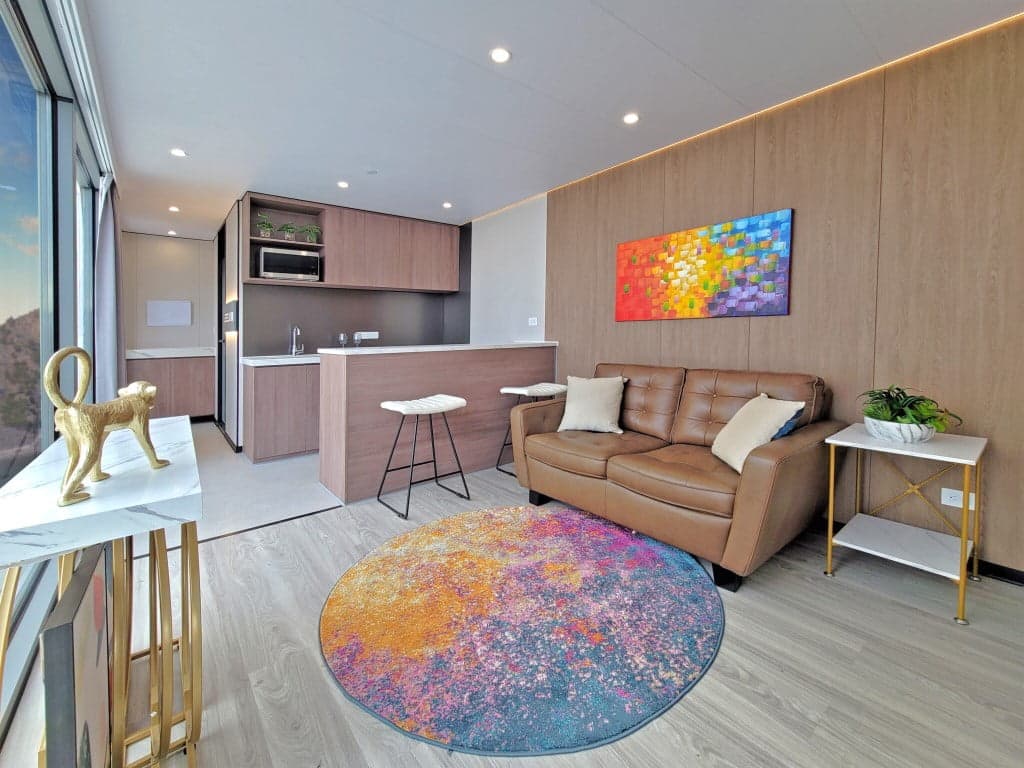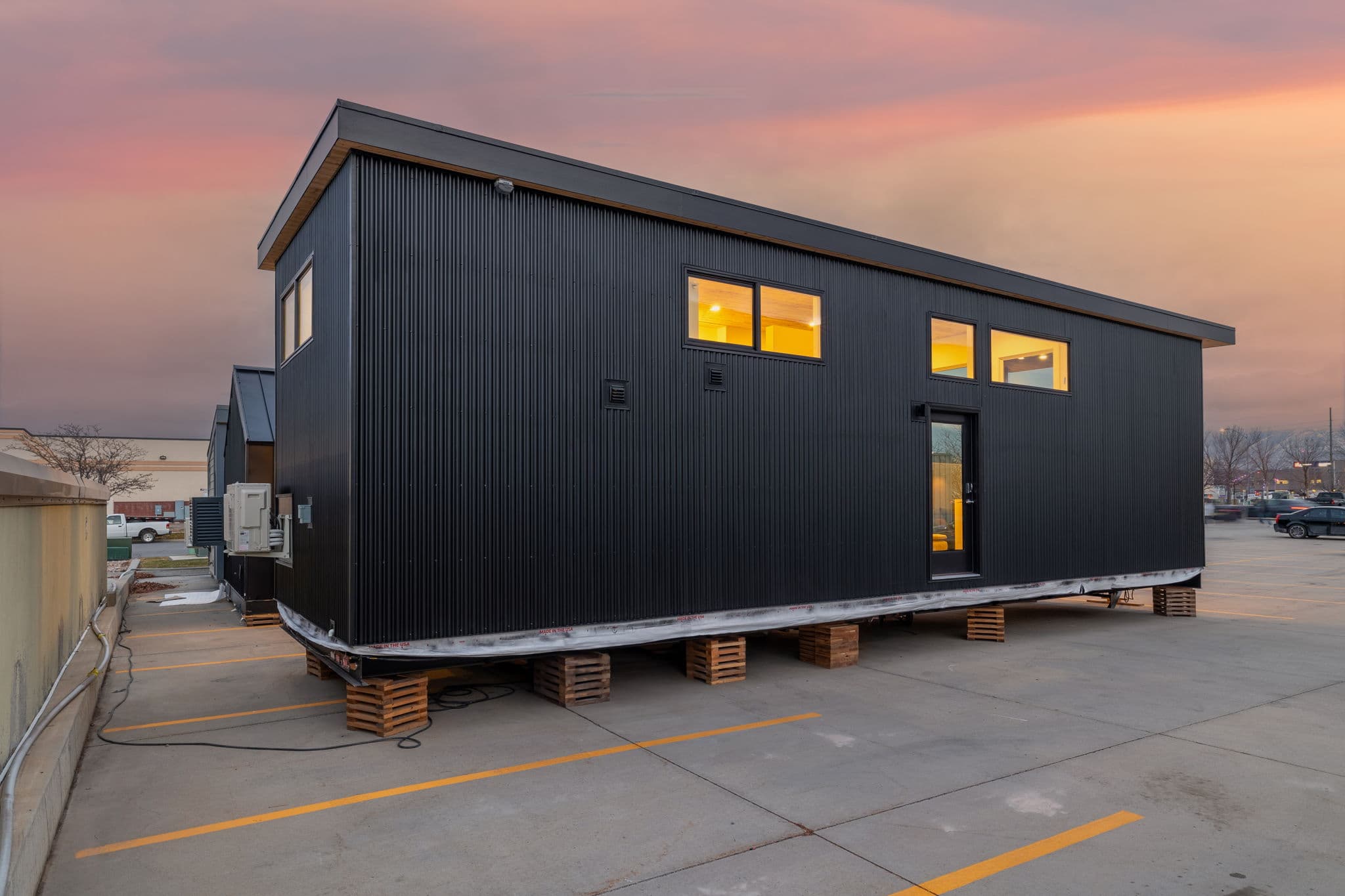
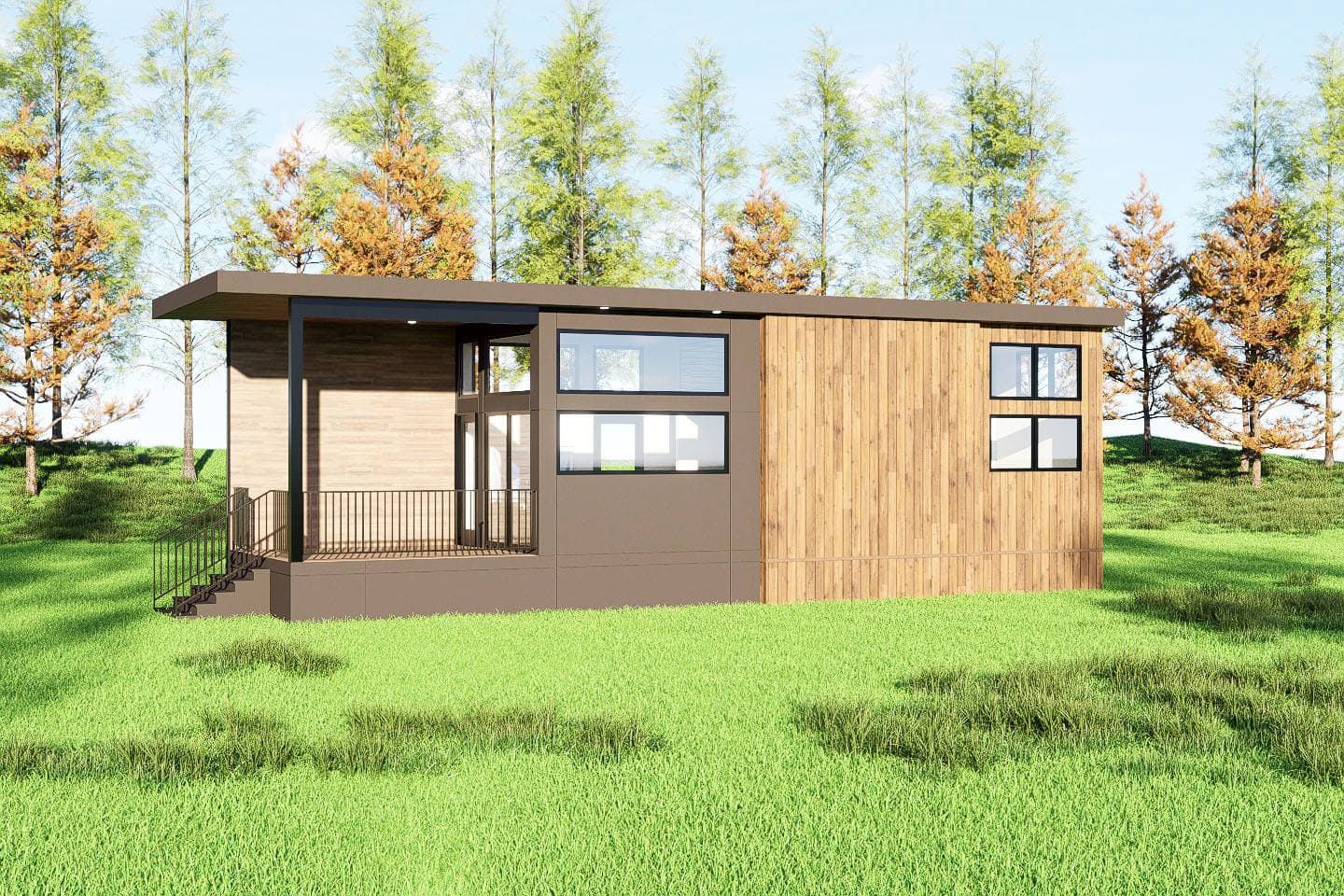
Less house, more life — but it's not for everyone. Here's the real argument for tiny living, and the trade-offs nobody mentions.
Tiny living isn't about deprivation — it's about subtraction. You strip away the square footage you were heating, cleaning, furnishing and paying for but never actually using, and you keep what matters. For a lot of people, that math changes their whole life.
Money you keep
The biggest line item in most budgets is housing. A well-built tiny or modular home costs a fraction of a conventional house, carries lower utilities, and — placed on land you own — sidesteps the single most expensive part of a project. Less debt, lower overhead, more margin for the things you actually want.
Time you get back
Less house is less to maintain, less to clean, less to manage. People who downsize consistently report the same surprise: the hours they reclaim matter more than the dollars.
Freedom and footprint
- A home you can place on your land, your family's land, or a community lot.
- An income asset if you ever rent it — or move into the big house and rent the tiny one.
- A dramatically smaller energy and material footprint.
- The option to live closer to nature without roughing it.
The honest trade-offs
It's not magic. You live with less storage, you're intentional about what you own, and zoning means you can't put one just anywhere. The people who thrive in tiny homes decide on purpose — which is exactly why walking through one before you buy matters so much.
Where to next
Last updated May 30, 2026