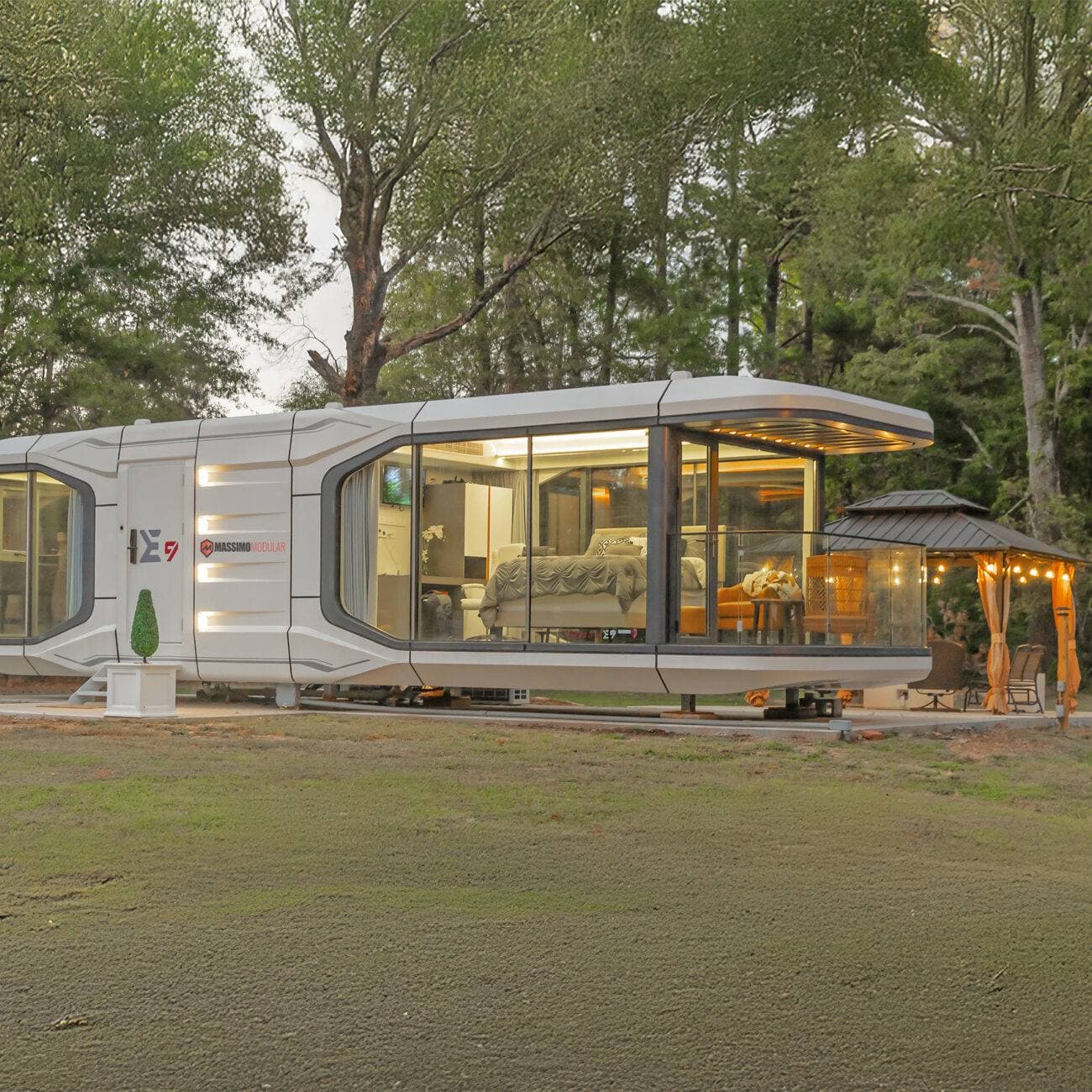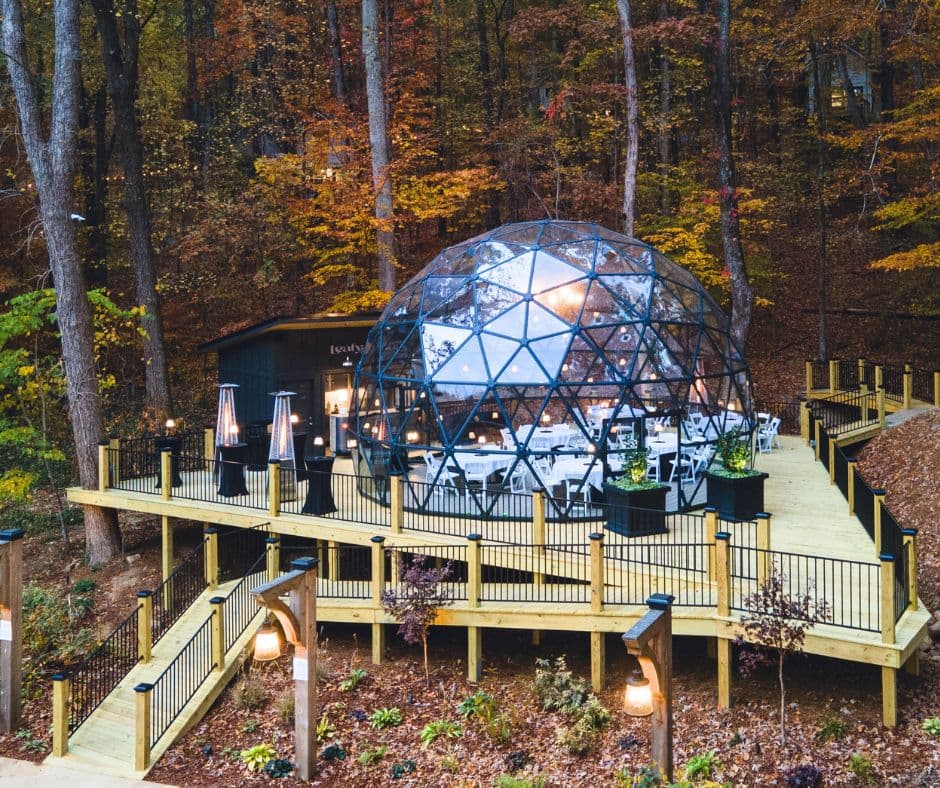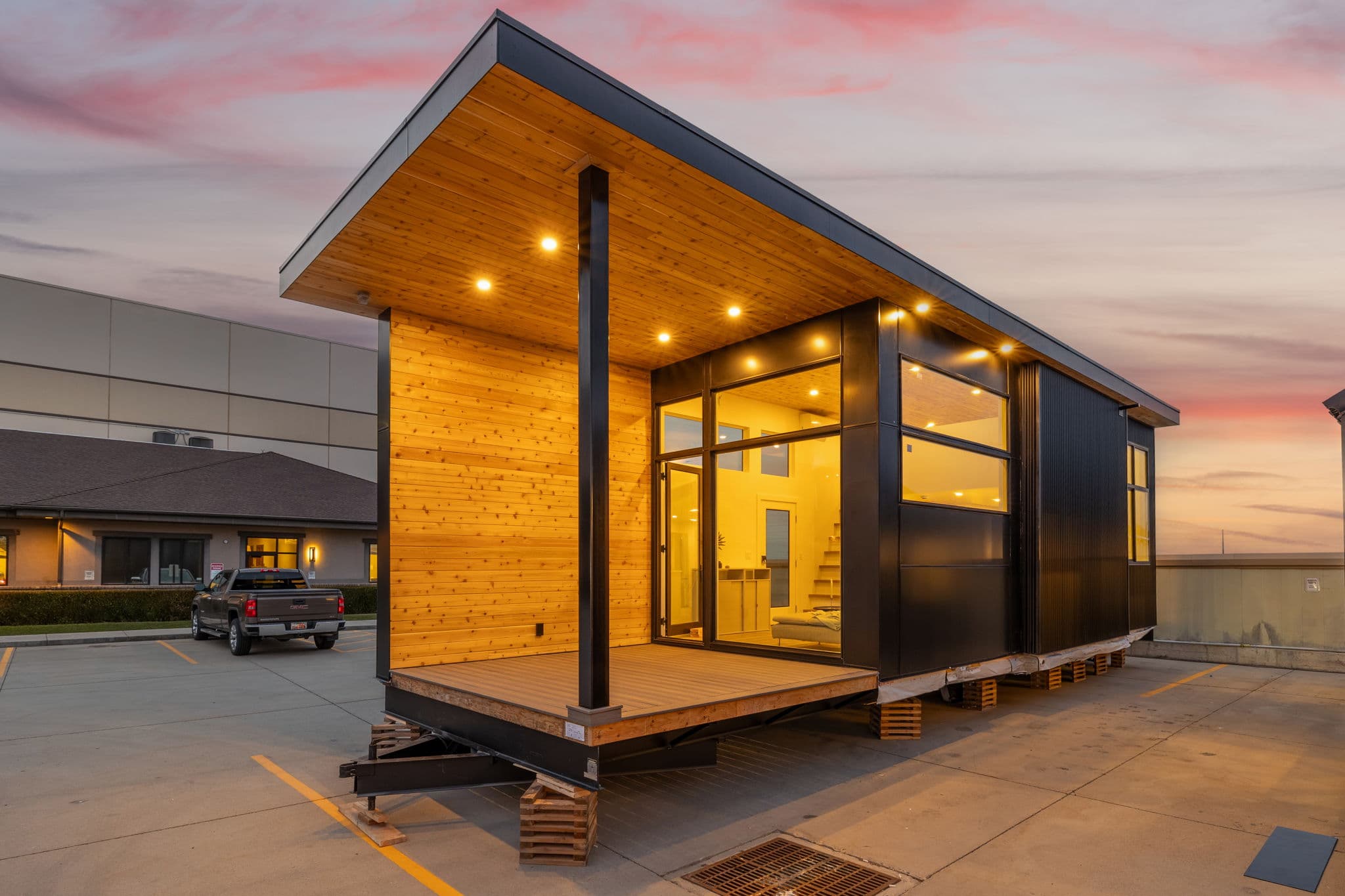
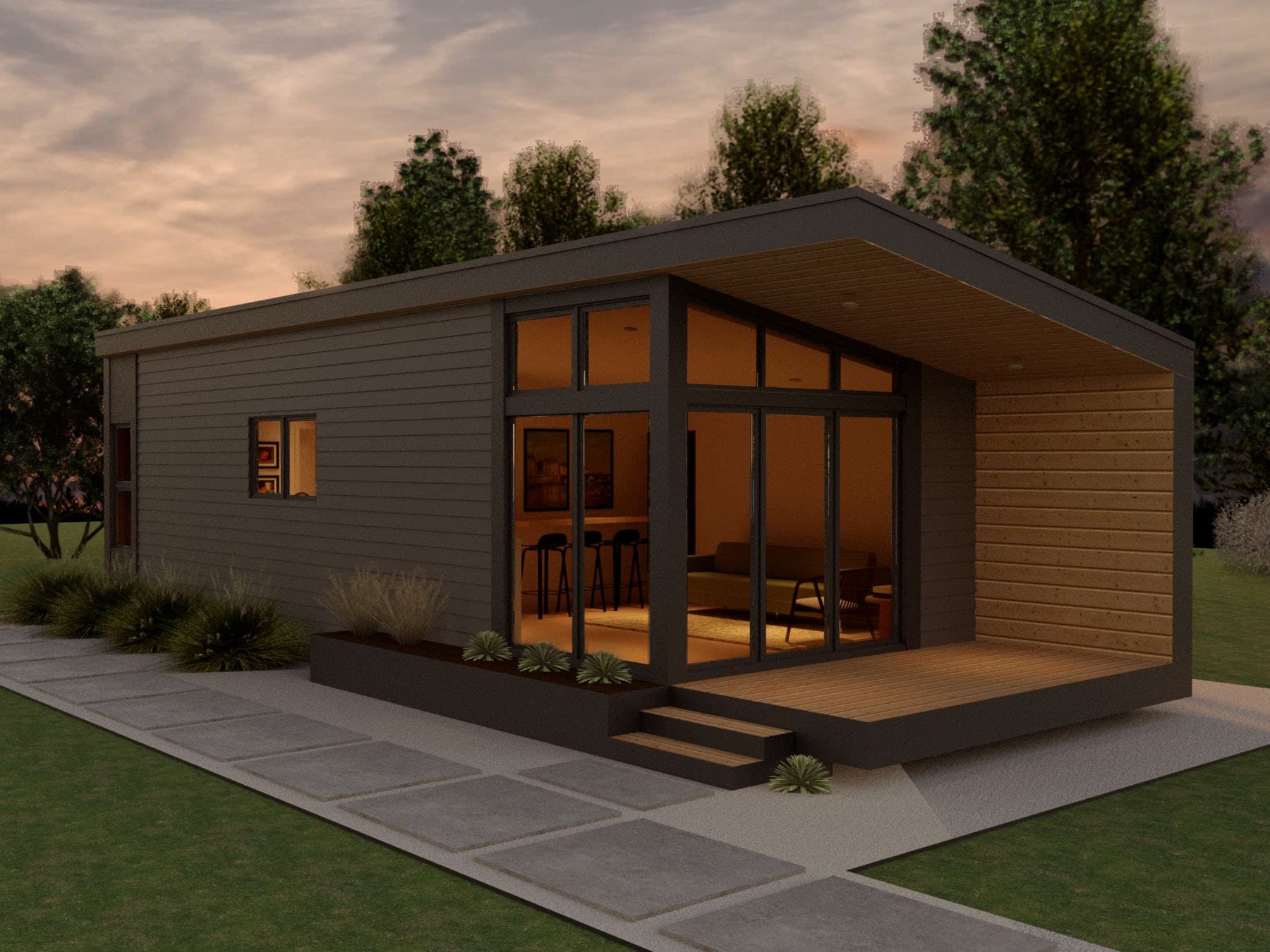
Texas is one of the friendliest states for tiny and modular living — but the rules are local. Here's how to read them.
The short answer: yes, tiny and modular homes are legal across much of Texas — but “legal” always depends on the city, county and your specific parcel. There is no single statewide rule, so the question is never “is it legal in Texas,” it's “what does this lot allow.”
Who sets the rules
- City zoning — minimum dwelling size, setbacks, whether ADUs are permitted.
- County rules — outside city limits, counties have lighter zoning but still govern septic and utilities.
- Subdivision / HOA covenants — these can be stricter than the city and are easy to overlook.
- Construction standard — RVIA park model, residential modular, or tiny-home-on-foundation each trigger different paths.
Full-time living vs. recreational use
A unit allowed for recreational or seasonal use isn't automatically approved for full-time occupancy. Park models, for example, are widely placed in RV parks and on recreational land, while full-time residential use as an ADU depends on local zoning. Confirm the intended use up front — it changes everything downstream.
The Hill Country reality
Around Austin, larger lots in Hays, Comal, Blanco and Burnet counties are often well-suited to ADUs, guest houses and glamping — but septic capacity, water and access frequently become the real constraints, not the home itself.
Where to next
Last updated May 20, 2026